Call Us At: + 84 982 167 628


Binchotan for Yakitori & Robatayaki: Why Japanese Chefs Choose White Charcoal
Discover why Japanese yakitori and robatayaki chefs insist on binchotan charcoal. Learn the grades, setup, and techniques that make white charcoal essential for authentic Japanese grilling.

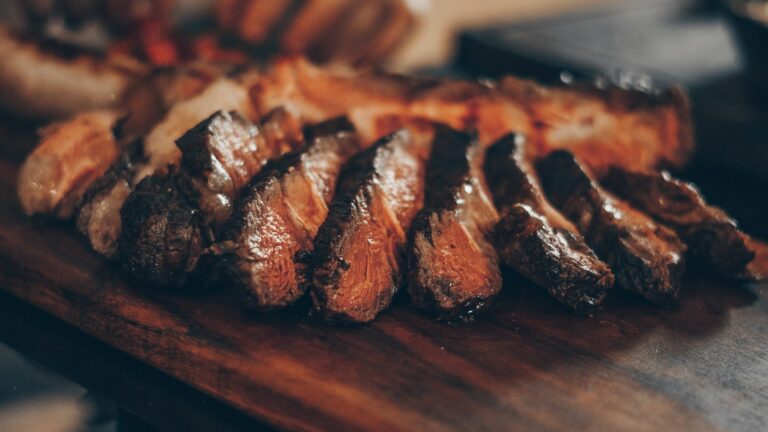
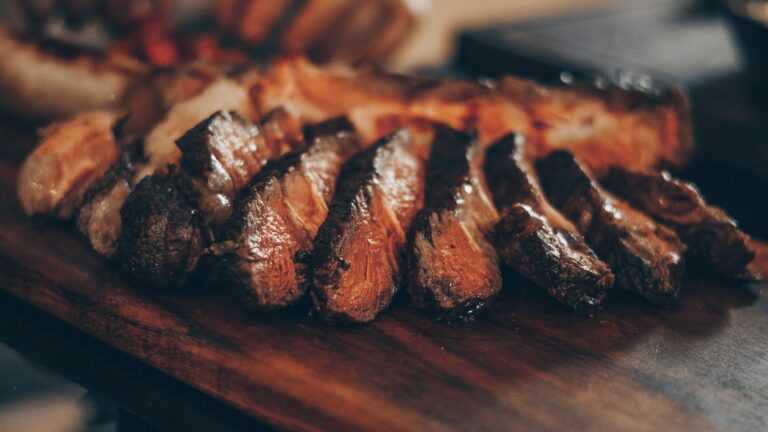
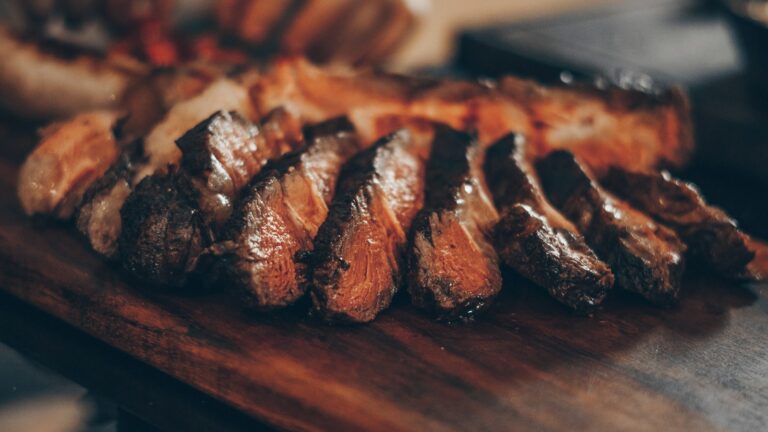
Walk into any serious yakitori-ya in Tokyo’s Omoide Yokocho or a robatayaki counter in Kyoto’s Pontocho, and you’ll smell it before you see it: the clean, sweet aroma of binchotan charcoal doing what it was born to do. No acrid smoke. No chemical aftertaste. Just pure, radiant heat coaxing umami from chicken thigh, scallop, or wagyu.
For Japanese chefs, binchotan isn’t a preference—it’s a professional standard. The question isn’t whether to use it, but which grade and how to manage it across a 12-hour service.
In this guide, we break down why binchotan dominates Japanese charcoal grilling, the specific demands of yakitori vs. robatayaki, and what international kitchens can learn from centuries of refinement.
What Makes Binchotan Essential for Japanese Charcoal Grilling
Japanese charcoal grilling—whether yakitori (skewered chicken) or robatayaki (hearth-side cooking)—operates on a philosophy of subtraction. The goal isn’t to add smoke flavor; it’s to remove everything between the ingredient and the heat.
Binchotan delivers on this philosophy in three ways:
1. Near-Zero Smoke, Maximum Infrared
Carbonized at 1000°C+ in oxygen-restricted mound kilns, genuine binchotan reaches 92–98% fixed carbon. Volatile compounds—the source of smoke—are virtually eliminated. What remains is pure infrared radiation that penetrates food evenly without flavoring it.
For yakitori, where tare (sauce) and salt are the only seasonings, this purity is non-negotiable. Smoke would mask the caramelization of tare on chicken skin. For robatayaki, where a scallop’s natural sweetness is the star, smoke is an intruder.
2. Temperature Stability Across Service
A typical yakitori service runs 11 AM–11 PM. Binchotan Grade A holds 800–1000°C for 4–5 hours per load. Chefs replenish incrementally—adding fresh sticks to glowing embers—maintaining a steady thermal baseline without the temperature crashes common with lump charcoal.
3. Spark-Free, Ash-Low Operation
Traditional konro (narrow ceramic grills) leave centimeters between coal and food. Binchotan’s <1% ash and zero sparking mean: - No ash contaminating delicate items (uni, foie gras, wagyu) - No flare-ups burning tare before it caramelizes - Clean workspace—critical in open-counter dining where guests watch
Yakitori vs. Robatayaki: Different Demands, Same Fuel
| Aspect | Yakitori (焼き鳥) | Robatayaki (炉端焼き) |
|---|---|---|
| Grill | Narrow konro / shichirin (20–30 cm wide) | Wide robat hearth (60–120 cm) |
| Heat Zone | Single intense zone, 800–950°C | Multiple zones: sear (900°C+), hold (600°C), warm (300°C) |
| Typical Load | 1.5–2 kg binchotan per konro | 5–10 kg across zones |
| Replenishment | Every 3–4 hours (add to sides) | Continuous; fresh coals to sear zone, aged to warm |
| Key Skill | Skewer rotation, tare timing | Zone management, ingredient sequencing |
| Binchotan Grade | Grade A (long sticks, 15–20 cm) | Grade A (sear) + Grade B (hold/warm) |
Yakitori: Precision in a Narrow Lane
The konro concentrates heat vertically. Skewers sit 3–5 cm above coals. Chef controls doneness by: – Height adjustment (hand-held skewers vs. fixed rest) – Rotation speed (fast for skin crisp, slow for thigh juiciness) – Tare application (last 30 seconds—sugar burns at 160°C)
Binchotan’s uniform stick diameter (Grade A: 2.5–3.5 cm) ensures even heat across the grill width. No hot spots. No cold corners.
Robatayaki: Theater of Zones
The robat is a stage. Guests watch the chef orchestrate: – Sear zone (fresh Grade A): 30-second scallop, 90-second wagyu slice – Hold zone (partially ashed Grade A): vegetables, tofu, thicker fish – Warm zone (Grade B, 60% spent): rested meats, finished plates awaiting service
This demands two grades simultaneously—a logistics detail many overseas kitchens miss.
The Binchotan Grades Japanese Chefs Specify
| Grade | Fixed Carbon | Ash | Burn Time | Stick Length | Best For |
|---|---|---|---|---|---|
| Special A (Tokkyu) | 98%+ | <0.5% | 5–6 hrs | 20–25 cm | Michelin yakitori, omakase robata |
| Grade A (Ikkyu) | 95–97% | <1% | 4–5 hrs | 15–20 cm | Standard professional service |
| Grade B (Nikkyu) | 90–94% | 1–2% | 3–4 hrs | 10–15 cm | Hold/warm zones, high-volume casual |
| Grade C (Sankyu) | 85–89% | 2–3% | 2–3 hrs | 5–10 cm | Kindling, starter coals only |
Happy Viet supplies Grade A and Special A from Vietnamese eucalyptus and longan wood—densities and carbon profiles matching Kishu binchotan at 60–70% of the cost.
Setting Up a Professional Binchotan Station
Equipment Checklist
– Konro / Shichirin: Ceramic, diatomaceous earth, or cast iron. Avoid thin steel—warps, radiates unevenly. – Tenbin (charcoal tongs): 40–50 cm, spring-loaded. Precision placement at arm’s length from 1000°C. – Hibashi (fire chopsticks): For fine adjustments—rotating single sticks, clearing ash. – Ash tray / catch pan: Removable, emptied mid-service without moving grill. – Fire extinguisher (Class B): Within 1 meter. Non-negotiable. – Heat-resistant gloves: Kevlar or aluminized, rated 500°C+.
Lighting Protocol (Restaurant Standard)
1. Electric starter or gas torch for initial load (8–10 minutes) 2. Transfer to konro in single layer—don’t stack 3. Wait for full glow (dull red/orange entire stick, metallic clink when tapped) 4. Establish zones: push ⅔ to one side (sear), ⅓ to other (hold) 5. Service start: only when entire surface radiates evenly
Mid-Service Replenishment
“`
Every 45–60 minutes:
1. Add 3–4 fresh Grade A sticks to sear zone edge
2. Push aged-but-glowing sticks to hold zone
3. Move spent (white-ash) sticks to warm zone or remove
4. Tap tenbin to settle—eliminate air gaps that cool the bed
“` This continuous flow maintains thermal equilibrium. Never let the sear zone drop below 800°C.
Common Mistakes International Kitchens Make
| Mistake | Consequence | Correction |
|---|---|---|
| Using lump charcoal “for cost” | Inconsistent heat, smoke, ash contamination | Calculate cost-per-service-hour: binchotan often cheaper |
| Stacking coals in konro | Oxygen starvation, cold center, 2× lighting time | Single layer only; width of grill = width of coal bed |
| Skipping Grade B for robata | Sear zone cools when fresh coals added | Two-grade system: fresh→sear, aged→hold, spent→warm |
| Lighting with lighter fluid | Petroleum residue on $200/kg wagyu | Electric starter or torch only |
| Ignoring ash buildup | Insulates coals, drops grill temp 100°C+ | Clear ash every 90 min; use hibashi, not brush |
| Buying ungraded “binchotan” | Mixed densities, unpredictable burns | Demand spec sheet: fixed carbon %, ash %, density |
Why Vietnamese Binchotan Works for Japanese Techniques
Japan’s native kishu binchotan (ubame oak) is the benchmark. But Vietnam’s eucalyptus and longan woods produce binchotan with:
| Property | Kishu Binchotan | Happy Viet Eucalyptus | Happy Viet Longan |
|---|---|---|---|
| Fixed Carbon | 96–98% | 95–97% | 94–96% |
| Density | 1.35–1.40 g/cm³ | 1.32–1.38 g/cm³ | 1.28–1.34 g/cm³ |
| Burn Time (Grade A) | 4.5–5.5 hrs | 4–5 hrs | 3.5–4.5 hrs |
| Ash | <0.8% | <1% | 1–1.5% |
| Sparking | None | None | None |
| Price (FOB Vietnam) | ¥1,800–2,500/kg | ¥600–800/kg | ¥500–700/kg |
For a 20-seat yakitori-ya burning 8 kg/day: – Kishu: ~¥16,000/day – Happy Viet Grade A: ~¥5,600/day – Annual savings: ~¥3.8 million (~$25,000 USD)
With FSC certification, ISO 9001/14001, and Halal—Vietnamese binchotan meets every import requirement for Japan, EU, USA, and Middle East.
Download Our Chef’s Binchotan Guide
Want the complete reference for your kitchen? Download the Binchotan for Yakitori & Robatayaki Chef Guide — includes: – Grade selection flowchart by restaurant type – Konro/robat setup diagrams with zone temperatures – 12-hour service replenishment schedule template – Troubleshooting matrix for common issues – Happy Viet spec sheets for all grades – Direct ordering: MOQ, lead time, payment terms, Incoterms
Frequently Asked Questions
Ready to Elevate Your Charcoal Program?
Japanese chefs have spent centuries perfecting the relationship between ingredient, heat, and vessel. Binchotan is the heat source that makes that relationship possible.
Whether you’re opening your first yakitori counter or upgrading a 50-seat robatayaki, Happy Viet supplies the grades, consistency, and documentation professional kitchens demand.
– Request a 5 kg chef trial pack — test in your konro risk-free – Download full spec sheets for all grades – Discuss your volume needs with Thomas Nam — 15+ years exporting to Japan, Korea, UAE, EU, USA
Happy Viet Charcoal — Vietnam’s premier binchotan exporter. FSC-certified, ISO 9001/14001, Halal-certified. Shipping to 20+ countries since 2015.