Call Us At: + 84 982 167 628


How to Light Binchotan Charcoal: Pro Methods for Consistent Ignition
Master the art of lighting binchotan charcoal with pro techniques. From chimney starters to gas torches, get consistent ignition every time. Download our free ignition guide.

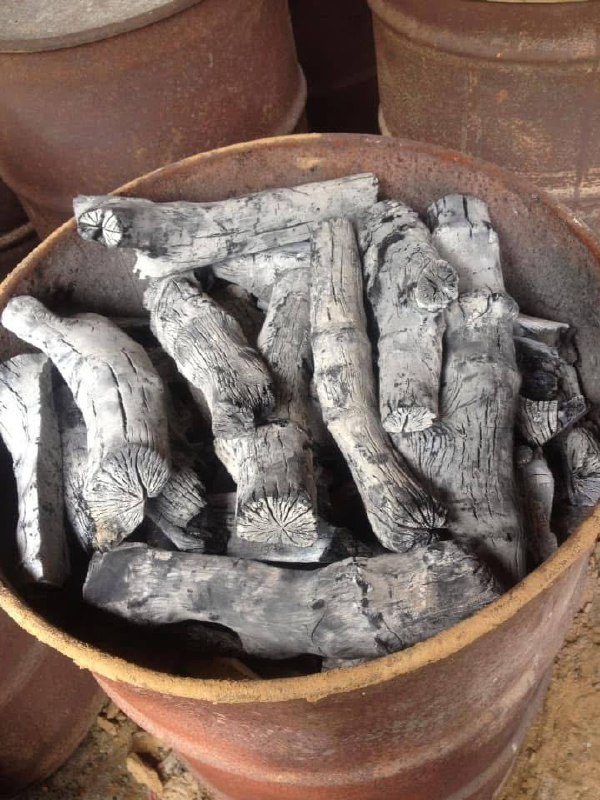
You’ve invested in premium binchotan charcoal. You’ve got your grill ready. Now comes the moment of truth: lighting it. If you’ve ever stared at a pile of white charcoal that refuses to catch, you’re not alone. Binchotan’s density—what makes it burn hot and clean for 4–5 hours—also makes it notoriously stubborn to ignite.
The good news? With the right technique, you’ll have glowing coals in 15–20 minutes, every single time. No lighter fluid. No frustration. Just pure, consistent heat.
In this guide, we’ll walk through the pro methods used by Japanese yakitori masters and top BBQ pitmasters. By the end, you’ll know exactly which method fits your setup, how to troubleshoot common issues, and why the extra effort pays off in flavor and performance.
Why Binchotan Is Harder to Light (And Why That’s Good)
Binchotan isn’t your average backyard briquette. Carbonized at 1000°C+ in traditional mound kilns, it reaches 92–98% fixed carbon with virtually no volatile compounds. That purity means:
– No chemical accelerants to catch fire instantly – Extreme density (1.3–1.4 g/cm³) resists initial combustion – Low moisture (<3%) but high thermal mass requires sustained heat to ignite
Think of it like lighting a dense hardwood log versus crumpled newspaper. The log takes longer, but once going, it outperforms in every metric: temperature, duration, cleanliness.
Pro tip: If your binchotan lights in 30 seconds, it’s likely not genuine binchotan. Authentic white charcoal should demand patience.
Method 1: Charcoal Chimney Starter (Most Reliable)
The chimney starter is the gold standard for a reason: it uses physics, not chemicals. The vertical column creates a natural draft that pulls oxygen through the coals, accelerating ignition.
Step-by-Step
1. Prep the chimney: Place 2–3 sheets of crumpled newspaper or a paraffin fire starter in the bottom chamber. 2. Load binchotan: Fill the top chamber 80–90% full. Don’t pack tight—air gaps are essential for draft. 3. Light the base: Ignite the newspaper/starter through the bottom vents. 4. Wait 15–20 minutes: You’ll see flames licking the top coals and a faint glow at the bottom. 5. Dump carefully: Wearing heat-resistant gloves, pour coals into your grill. Arrange for your cooking zone.
Why It Works
The chimney effect creates 3–4x the airflow of an open pile. Each coal ignites its neighbor from below—the most efficient propagation path.
Best For
– Ceramic kamados (Big Green Egg, Kamado Joe) – Kettle grills (Weber, PK Grills) – Any setup where you can dump coals directly
Common Mistake
Overfilling the chimney. Packed too tight, airflow chokes and the top coals stay cold. Leave 10–15% headspace.
Method 2: Gas Torch / Propane Burner (Fastest for Pros)
Restaurant kitchens and competition teams swear by propane torches. A 50,000+ BTU burner can light a full load in 8–10 minutes.
Step-by-Step
1. Arrange coals: Place binchotan in a single layer on your grill grate or in a metal tray. 2. Apply flame: Run the torch along the bottom edges of each piece, 2–3 seconds per contact point. 3. Rotate: Once edges glow, flip pieces to ignite opposite sides. 4. Consolidate: Push glowing coals together to build heat momentum. 5. Add remaining: Layer unlit coals on top—they’ll catch from radiant heat.
Equipment Recommendations
| Torch Type | BTU Output | Best For | Approx. Cost |
|---|---|---|---|
| Plumber’s torch (MAP-Pro) | 15,000 | Home use, small loads | $30–50 |
| Professional weed burner | 100,000+ | Restaurant, high volume | $80–150 |
| Commercial kitchen torch | 50,000–80,000 | Daily service, precise control | $120–200 |
Safety Notes
– Never use indoors without commercial ventilation – Keep a Class B fire extinguisher within arm’s reach – Wear welding gloves—binchotan radiates intense infrared heat – Allow torch to cool before storing
Best For
– High-volume restaurants (yakitori, robatayaki) – Competition BBQ teams – Anyone lighting 5+ kg daily
Method 3: Electric Charcoal Starter (Cleanest, No Open Flame)
Electric starters (coil or fan-assisted) eliminate open flame entirely. Ideal for covered patios, balconies, or anywhere gas is restricted.
Types
| Type | Heat Source | Time to Ignition | Noise |
|---|---|---|---|
| Coil element (Looftlighter style) | 1500W resistive | 10–15 min | Silent |
| Hot air gun (paint stripper style) | 2000W forced air | 5–8 min | Loud |
| Fan-assisted chimney | 200W fan + starter | 12–18 min | Moderate |
Step-by-Step (Coil Type)
1. Bury the coil: Nestle the heating element in the center of your coal pile. 2. Power on: Plug in. Most units have a timer—set 10 minutes. 3. Monitor: Watch for glow spreading from center outward. 4. Remove coil: Once 60% of coals glow, carefully extract the hot element (use the handle). 5. Spread: Distribute coals for your cooking zones.
Best For
– Apartment balconies, condos – Indoor kitchen ventilation systems – Users who want zero open flame risk
Method 4: The “Japanese Traditional” Method (For Purists)
In Japan, binchotan is often lit using a hibachi or konro with a small amount of easily ignited charcoal (like ogatan or sawdust briquettes) as kindling.
Step-by-Step
1. Create a base: Place 3–4 pieces of soft charcoal (ogatan, coconut briquette) in the grill. 2. Light the base: Use a gas stove or torch to ignite the soft charcoal—catches in 2 minutes. 3. Stack binchotan: Lean binchotan sticks against the burning kindling in a teepee or log-cabin structure. 4. Wait 10–15 minutes: Binchotan catches from direct flame contact. 5. Remove kindling ash: Once binchotan is self-sustaining, brush away the spent soft charcoal.
Why It Works
Mimics the traditional bincho-zumi process: a small hot fire gradually brings dense wood to carbonization temperature. The kindling provides the initial 400–500°C needed to overcome binchotan’s ignition threshold.
Best For
– Traditional konro / hibachi grills – Yakitori restaurants honoring technique – Small loads (1–2 kg) where chimney is overkill
Comparison Table: Choose Your Method
| Method | Time | Equipment Cost | Skill Level | Best For | Flavor Impact |
|---|---|---|---|---|---|
| Chimney Starter | 15–20 min | $15–30 | Beginner | Home grills, kamados, kettles | Zero contamination |
| Gas Torch | 8–10 min | $30–200 | Intermediate | Restaurants, high volume, competitions | Zero (burns off instantly) |
| Electric Starter | 10–18 min | $40–120 | Beginner | Balconies, indoor, no-flame zones | Zero contamination |
| Traditional Kindling | 12–18 min | $5–15 (kindling) | Intermediate | Konro, hibachi, small loads | Minimal (kindling burns off) |
Troubleshooting: Why Your Binchotan Won’t Light
| Symptom | Likely Cause | Fix |
|---|---|---|
| Coals glow outside but cold inside | Chimney overpacked | Leave 15% headspace; shake gently to settle |
| Flames die after 5 minutes | Insufficient airflow | Open bottom vents fully; elevate chimney on bricks |
| Only bottom coals light | Damp charcoal / poor draft | Store binchotan dry; ensure chimney vents clear |
| White ash but no red glow | Burning too fast, not hot enough | Add more coals; consolidate pile to build heat |
| Sparks / popping | Residual moisture | Dry in sun 2 hours or low oven (100°C) 30 min |
Pro Tips from Happy Viet’s Kitchen
1. Pre-heat your grill grates. Cold steel sucks heat from fresh coals. Run the torch over grates for 30 seconds before dumping chimney.
2. Use the “two-zone” setup from the start. Light a full chimney, dump ⅔ on one side (hot zone), ⅓ on the other (warm zone). Adjust by moving coals, not adding.
3. Save the fines. The dust at the bottom of your binchotan box? Sprinkle it over lit coals—it catches instantly and bridges gaps between sticks.
4. For konro: use a tenbin (charcoal tongs). The long handle keeps hands 40 cm from 1000°C coals. Essential for precise placement in narrow grills.
5. Never use lighter fluid. Petroleum residues vaporize at 300°C—well below binchotan’s operating temp. You’ll taste it on expensive wagyu.
Storing Binchotan for Easy Lighting
How you store charcoal affects how it lights next time:
– Airtight container with silica gel packets (humidity < 40%) - Off concrete floors—moisture wicks up through pallets – Original kraft boxes are designed for breathability + protection – Rotate stock—oldest inventory forward (FIFO)
Properly stored binchotan lights 30% faster than humidified stock.
Download Our Free Ignition Guide PDF
Want a laminated quick-reference card for your grill station? Download our Binchotan Ignition Guide — includes: – Step-by-step photos for all 4 methods – Troubleshooting flowchart – Equipment checklist with links – Temperature target chart by cooking style
Frequently Asked Questions
Ready to Grill Like a Pro?
Lighting binchotan is a skill, not a struggle. Once you’ve dialed in your method, you’ll wonder why anyone settles for unpredictable briquettes.
Next steps: – Request a free 2 kg sample to test your setup – Download the full ignition guide PDF – Compare binchotan grades to match your cooking style
Questions about your specific grill? Contact our team — Thomas Nam has 15+ years helping chefs worldwide master binchotan.
Happy Viet Charcoal — Vietnam’s premier binchotan exporter. FSC-certified, ISO 9001/14001, shipping to 20+ countries since 2015.