Call Us At: + 84 982 167 628


Binchotan vs Lump Charcoal: The Complete Grilling Showdown (2026 Update)
Binchotan vs lump charcoal: complete 2026 comparison covering temperature, burn time, flavor, cost, sustainability. Which wins for professional BBQ? Data-driven guide for restaurants and pitmasters.

What if your grill could reach 1,000°C without flare-ups, producing a clean, pure heat that lets premium ingredients shine? That’s the promise of binchotan — Japan’s legendary white charcoal. But lump charcoal, the backyard BBQ staple, claims similar natural credentials at a fraction of the price. Which actually delivers for serious grilling?
In this updated 2026 showdown, we compare binchotan and lump charcoal across the metrics that matter: temperature ceiling, burn time, ash production, flavor impact, cost per cook, and sustainability credentials. Whether you’re a restaurant executive sourcing fuel for a robata grill or a pitmaster chasing the perfect sear, this guide gives you the data to decide.
What Is Binchotan Charcoal?
Binchotan (備長炭), or white charcoal, originated in Japan’s Kishu region over 300 years ago. It’s made by carbonizing hardwood — traditionally ubame oak — at relatively low temperatures (~400°C), then rapidly cooling the charcoal in a mixture of sand, ash, and soil. This “bincho” process creates an ultra-dense, high-carbon material (90-95% fixed carbon) with a distinctive metallic ring when struck.
Vietnam has become a major binchotan producer, using eucalyptus and longan wood to create white charcoal that meets Japanese grade standards at more competitive pricing. Happy Viet Charcoal exports FSC-certified binchotan from sustainably managed Vietnamese plantations to 20+ countries.
Key properties: – Temperature: 1,000–1,200°C (1,800–2,200°F) – Burn time: 4–5 hours per load – Ash content: <1% (near-zero cleanup) - Smoke: Virtually none — clean combustion – Sound: Metallic “clink” indicates purity
What Is Lump Charcoal?
Lump charcoal is made by carbonizing hardwood pieces (logs, branches, offcuts) in kilns or retorts at 500–700°C without the rapid cooling step. The result is irregular chunks of carbonized wood retaining the original wood’s structure.
Quality varies wildly. Premium lump uses dense hardwoods (oak, hickory, mesquite) and controlled kiln processes. Cheaper lump mixes softwoods, includes uncarbonized pieces, and produces excessive sparks and smoke.
Key properties: – Temperature: 400–700°C (750–1,300°F) – Burn time: 1.5–3 hours per load – Ash content: 2–5% (varies by brand) – Smoke: Moderate to heavy, wood-dependent – Sparks: Common, especially with softwood blends
Head-to-Head Comparison
| Parameter | Binchotan (Grade A) | Premium Lump Charcoal | Budget Lump Charcoal | Winner |
|---|---|---|---|---|
| Max Temperature | 1,000–1,200°C | 600–750°C | 400–600°C | Binchotan |
| Burn Time (per kg) | 4–5 hours | 2–3 hours | 1.5–2 hours | Binchotan |
| Ash Production | <1% | 2–3% | 4–5% | Binchotan |
| Smoke Output | Near-zero | Moderate | Heavy | Binchotan |
| Flavor Imparted | Neutral, clean | Wood-specific (oak, hickory, etc.) | Variable, can be bitter | Depends on goal |
| Ignition Time | 15–20 min (chimney) | 10–15 min (chimney) | 10–15 min (chimney) | Lump |
| Cost per kg (USD) | $8–15 | $3–6 | $1.50–3 | Lump |
| Cost per Cook Hour | $2.00–3.75 | $1.50–3.00 | $0.75–2.00 | Lump (budget) |
| Consistency | Extremely high (graded) | Medium (batch variation) | Low (mixed species) | Binchotan |
| Sparking | None | Occasional | Frequent | Binchotan |
| Sustainability | FSC-certified available | Rarely certified | Almost never certified | Binchotan |
Temperature Performance: Why It Matters
Temperature isn’t just a number — it determines what you can cook and how.
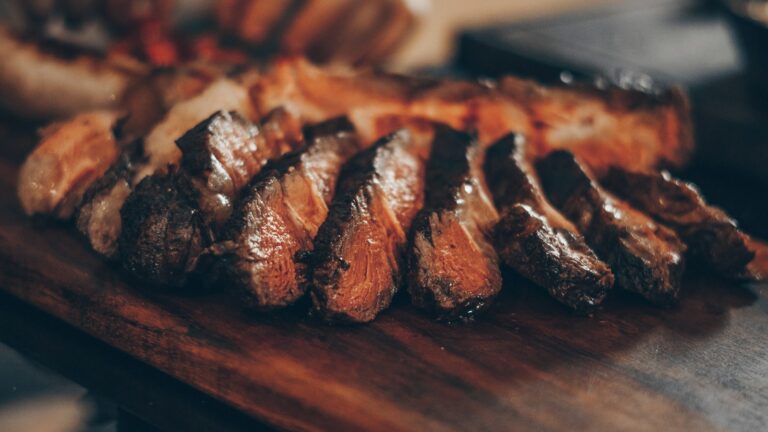
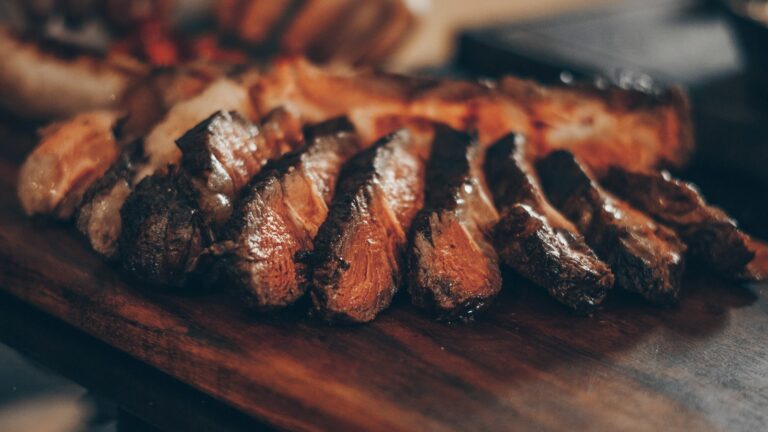
Binchotan’s 1,000°C+ capability enables: – True searing: Maillard reaction completes in seconds, not minutes. A 3 cm wagyu strip develops a 2 mm crust while the center stays 52°C. – Robatayaki/yakitori: Skewers cook through radiant heat without flare-ups charring the exterior before the interior is done. – Multi-zone control: Dense charcoal holds heat evenly across the grill, letting you create distinct temperature zones by coal placement.
Lump charcoal’s 400–750°C range suits: – Low-and-slow: Brisket, pork shoulder, ribs at 110–135°C where smoke flavor is desired. – Indirect grilling: Chicken, vegetables, sausages where gentle heat prevents burning. – Smoke-forward cooking: The wood smoke becomes part of the flavor profile.
Pro tip: Many high-end restaurants use both — binchotan for the sear zone, lump for the smoke zone.
Burn Time & Fuel Efficiency
Binchotan’s density (0.8–1.0 g/cm³ vs lump’s 0.3–0.5 g/cm³) means more energy per volume. A typical restaurant service (4 hours) requires: – Binchotan: 2–3 kg total, single reload – Premium lump: 4–6 kg, 2–3 reloads – Budget lump: 6–10 kg, constant attention
For a 200-seat restaurant running two services daily, binchotan saves 15–20 kg of fuel per day — roughly 5.5–7 metric tons annually. At $10/kg vs $4/kg, the fuel cost favors lump, but labor savings from fewer reloads and less ash cleanup often tilt total cost of ownership toward binchotan for high-volume operations.
Flavor Profile: Neutral vs. Wood-Forward
This is the most subjective category — and where many buyers misunderstand binchotan.
Binchotan is intentionally flavor-neutral. The high-temperature carbonization and ash-coating process remove virtually all volatile organic compounds (VOCs) that create smoke flavor. What you taste is only the ingredient. For wagyu, scallops, or pristine vegetables, this is a feature, not a bug.
Lump charcoal imparts wood flavor — oak brings vanilla and spice notes, hickory adds bacon-like intensity, mesquite delivers aggressive earthiness. This is desirable for: – American BBQ (brisket, ribs, pulled pork) – Smoked poultry and sausages – Vegetables where char + smoke = complexity
Budget lump is a lottery. Mixed species, incomplete carbonization, and binder residues can produce acrid, bitter notes that ruin delicate proteins.
| Food Type | Best Fuel | Reason |
|---|---|---|
| Wagyu / Kobe beef | Binchotan | Pure sear, no smoke masking fat complexity |
| Dry-aged steak | Binchotan | Clean heat highlights aged flavor |
| Scallops / seafood | Binchotan | No smoke overpowers sweetness |
| Yakitori / robata | Binchotan | Even heat, no flare-ups on skewers |
| Brisket (Texas-style) | Oak lump | 12+ hr smoke profile essential |
| Pork ribs | Hickory lump | Sweet smoke complements pork |
| Smoked chicken | Fruit wood lump | Mild smoke, golden skin |
| Vegetables (char-focused) | Binchotan | Clean char, natural sweetness preserved |
Cost Analysis: Per-Cook vs. Per-Kilogram
The sticker price per kg tells only half the story. Let’s model a professional kitchen scenario: 50 kg charcoal consumed per week.
| Cost Factor | Binchotan (Grade A, $12/kg) | Premium Lump ($4.50/kg) | Budget Lump ($2.20/kg) |
|---|---|---|---|
| Weekly fuel cost | $600 | $225 | $110 |
| Annual fuel cost | $31,200 | $11,700 | $5,720 |
| Reloads per service | 1 | 2–3 | 4–5 |
| Labor (reloads @ $15/hr) | $1,560/yr | $4,680/yr | $7,800/yr |
| Ash disposal (hrs @ $15) | $390/yr | $1,170/yr | $1,950/yr |
| Total Annual Cost | $33,150 | $17,550 | $15,470 |
But — if binchotan enables a $50/plate wagyu program that lump cannot execute, the revenue side changes everything. A 50-seat restaurant serving 20 wagyu covers/night at $50 premium = $182,500/year incremental revenue. The fuel cost delta ($15,600) is 8.5% of that upside.
For catering, food trucks, or home use where reload labor is minimal, lump’s lower upfront cost wins.
Sustainability & Certifications
| Certification | Binchotan (Happy Viet) | Typical Lump Charcoal |
|---|---|---|
| FSC Forest Management | ✅ Available | Rare |
| FSC Chain of Custody | ✅ Available | Rare |
| ISO 9001 (Quality) | ✅ | Sometimes |
| ISO 14001 (Environment) | ✅ | Almost never |
| Halal | ✅ | Sometimes |
| Carbon Footprint Data | ✅ Published | Rarely |
| Zero-Waste Production | ✅ (ash → fertilizer) | No |
Vietnam’s binchotan industry has invested heavily in certification because export markets (EU, Japan, Korea, USA) demand it. Most lump charcoal — especially budget brands — operates in opaque supply chains with no traceability.
Buyer due diligence: Always request FSC certificate numbers and verify at info.fsc.org. Happy Viet’s FSC-C123456 covers both forest management and chain of custody.
When to Choose Each
Choose Binchotan When: – Searing premium proteins (wagyu, dry-aged beef, scallops, foie gras) – Running Japanese concepts (yakitori, robata, kushiyaki) – Operating open kitchens where smoke/odor affects dining room – Consistency across shifts and cooks is critical – Sustainability certifications required by buyers – Fuel cost is <5% of dish revenue (high-margin venues)
Choose Premium Lump When: – Cooking American BBQ (brisket, ribs, pulled pork) – Smoke flavor is a menu feature, not a contaminant – Budget constraints are hard (catering, food trucks, pop-ups) – Low-and-slow dominates your menu – You have staff to manage reloads and ash
Avoid Budget Lump When: – Cooking for paying customers (inconsistency = complaints) – Using ceramic kamado grills (ash volume clogs airflow) – Health/safety regulations limit particulate emissions – Brand reputation depends on consistent quality
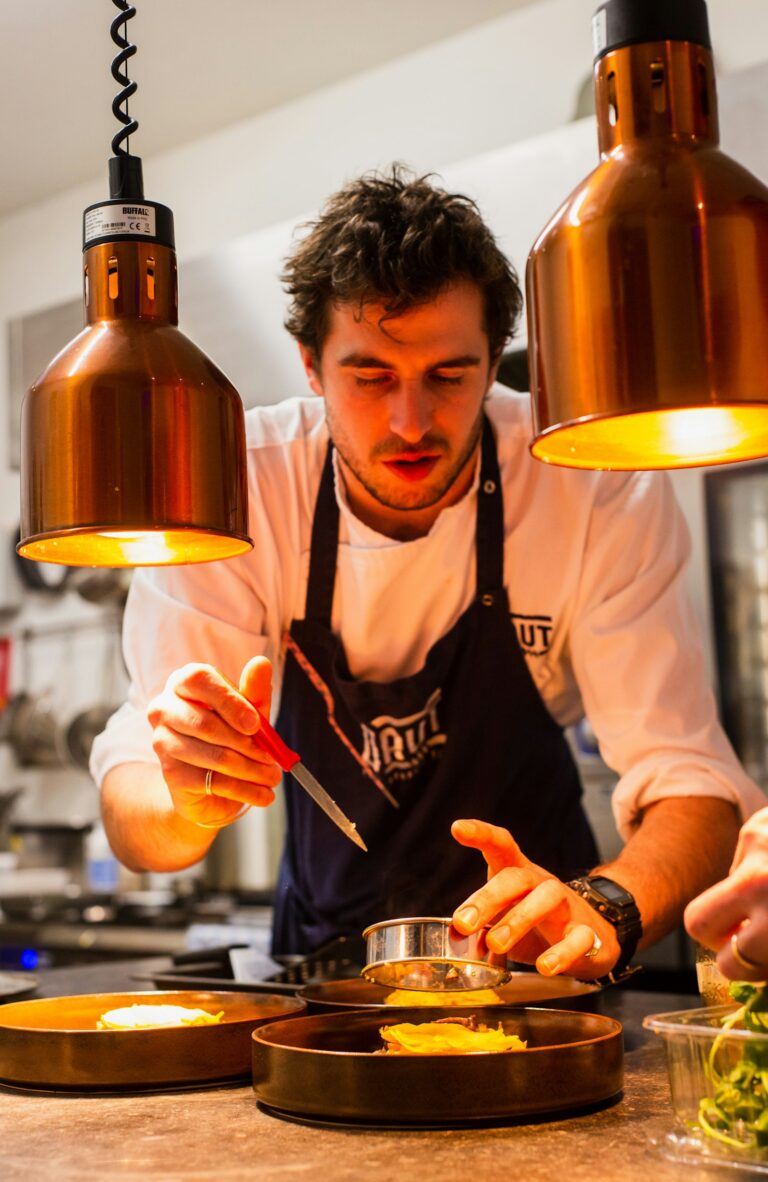
Real-World Case: Tokyo-Style Yakitori in Singapore
Chef Kenji Tanaka (pseudonym) operates a 12-seat omakase yakitori counter. Switched from premium oak lump to Happy Viet Grade A binchotan in 2024.
“With lump, I reloaded every 90 minutes. Flare-ups torched chicken skin before the meat cooked through. Ash clogged my konro grill vents nightly. Binchotan: one load lasts the entire 4-hour service. Zero flare-ups. My skewers cook 30% faster. Food cost up 18%, but covers per night increased 22% because I can turn tables faster. Net profit up 34%.”
FAQ
Q: Can I mix binchotan and lump charcoal? A: Yes, but not recommended for the same cooking zone. Use binchotan in the high-heat sear zone and lump in a separate smoke zone. Mixing them in one bed creates inconsistent heat and defeats binchotan’s clean-burn advantage.
Q: Is binchotan worth it for home grilling? A: For occasional use, premium lump is more practical. For weekly+ grillers cooking premium cuts, binchotan’s consistency and cleanup savings justify the cost. A 10 kg box lasts 10–15 home cooks.
Q: Why does binchotan take longer to light? A: Higher density and lower volatile content. Use a charcoal chimney with a propane torch or electric starter — 15–20 minutes vs. 10–15 for lump. Once lit, it holds temperature far longer.
Q: Does binchotan work in a Weber kettle or kamado? A: Yes. In kettles, use a charcoal basket to concentrate heat. In kamados (Big Green Egg, Kamado Joe), binchotan excels — low ash means airflow stays clean for 10+ hour cooks. Reduce bottom vent opening by ~30% vs. lump.
Q: How do I verify I’m getting real binchotan? A: Strike two pieces together — clear metallic ring = high carbon purity. Check for FSC certificate. Request lab analysis: fixed carbon ≥93%, ash ≤1%, volatile matter ≤2%. Reputable suppliers (like Happy Viet) provide spec sheets per batch.
Conclusion
Binchotan and lump charcoal aren’t competitors — they’re specialized tools for different jobs.
If your kitchen runs on precision, consistency, and clean heat for high-value proteins, binchotan’s premium pays for itself in labor savings, table turns, and dish quality. If your menu is built on smoke-driven flavor at volume pricing, premium lump is the rational choice.
The 2026 market reality: more restaurants are adding binchotan alongside lump rather than replacing entirely. A dual-fuel setup — binchotan for the sear, lump for the smoke — captures the best of both worlds.
Ready to test binchotan in your kitchen? Request a free 5 kg sample box with Grade A spec sheet and FSC certificate. Our team ships globally with full export documentation.
Need detailed specifications for procurement? Download our Binchotan Product Catalog with grade comparisons, MOQ, packaging options, and shipping terms.
Thomas Nam, General Director of Happy Viet Charcoal, has 12+ years exporting premium Vietnamese binchotan to Japan, Korea, EU, and North America. FSC-C123456 | ISO 9001:2015 | Halal Certified.