Call Us At: + 84 982 167 628


Binchotan vs Lump Charcoal: Grilling Showdown

Introduction
When it comes to premium grilling, the choice of charcoal can make a dramatic difference in flavor, heat control, and overall experience. Two popular options are Vietnamese binchotan (white charcoal) and traditional lump charcoal. This article breaks down their key differences so you can pick the best fuel for your barbecue.

What Is Binchotan Charcoal?
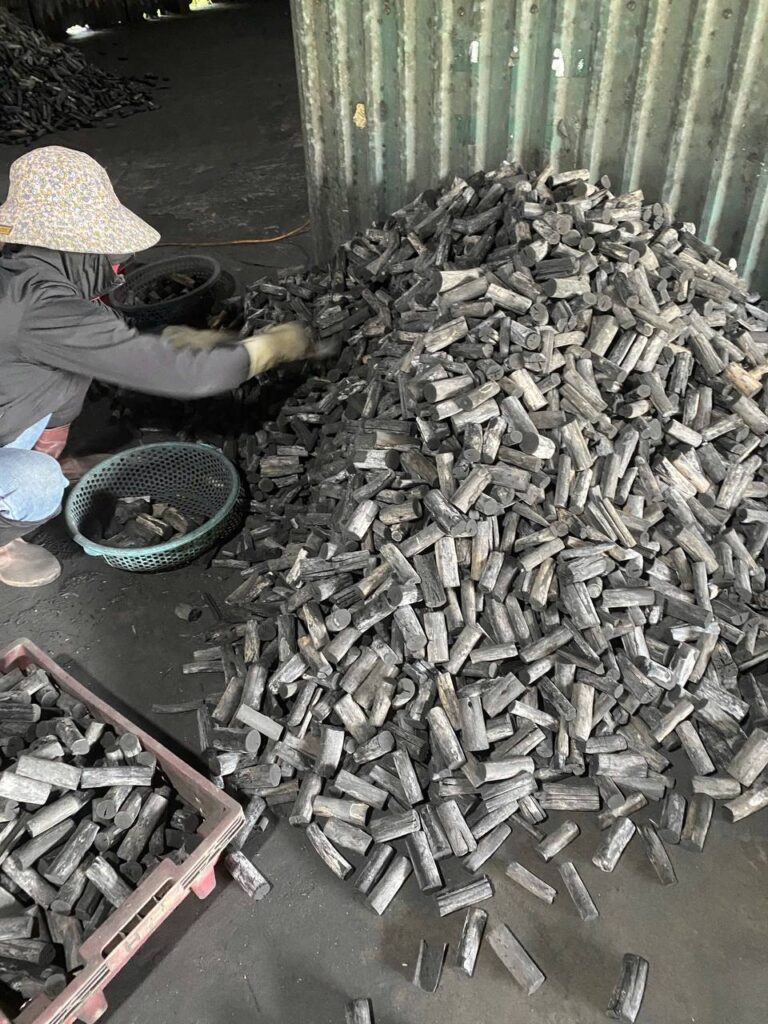
Binchotan charcoal, also known as white charcoal, is a high‑grade activated carbon made from dense hardwoods such as ubame oak (Japan) or eucalyptus/longan/chestnut (Vietnam). It undergoes a slow‑firing process at temperatures over 1,000 °C, resulting in a product with > 75 % fixed carbon, low ash (< 8 %), and virtually no smoke.
What Is Lump Charcoal?
Lump charcoal is made by burning wood chunks in a low‑oxygen environment until they carbonize. It retains the original wood shape, giving irregular pieces. Typical lump charcoal contains 50‑70 % fixed carbon, higher ash (8‑12 %), and produces more smoke and flare‑ups.
Side‑by‑Side Comparison
| Attribute | Binchotan (Vietnam) | Typical Lump Charcoal |
|---|---|---|
| Fixed Carbon (%) | 75‑85 | 50‑70 |
| Ash (%) | 5‑8 | 8‑12 |
| Volatile Matter (%) | <10 | 10‑20 |
| Calorific Value (MJ/kg) | 30‑33 | 25‑28 |
| Burn Time (hours) | 4‑6 | 2‑3 |
| Average Grill Temp (°C) | > >1000 | 700‑900 |
| Smoke/Odor | Very low | Moderate |
| Spark/Flare‑up Risk | Low | Higher |
Why Binchotan Wins for Serious Grilling
- Higher heat output enables perfect searing of steaks and quick caramelization.
- Longer burn time means fewer refills during extended cook‑outs.
- Minimal ash reduces cleanup and maintains airflow in the grill.
- Clean, odor‑free heat preserves the natural flavors of meat, fish, and vegetables.
- Lower flare‑up risk improves safety, especially when cooking fatty cuts.
How to Use Each Charcoal Type
Binchotan
- Load a charcoal chimney with binchotan pieces.
- Ignite from the bottom; wait 10‑15 minutes until the pieces glow red‑white.
- Spread evenly for direct grilling or pile on one side for indirect cooking.
- Adjust grill vents to control temperature; small adjustments yield precise changes.
- After cooking, close vents to extinguish and reuse remaining pieces.
Lump Charcoal
- Fill the chimney with lump charcoal and light.
- Wait until covered with gray ash (about 10‑15 minutes).
- Distribute evenly; note that shape varies, so hot spots may appear.
- Monitor temperature closely as lump burns faster and less uniformly.
- After use, extinguish by closing vents; leftover pieces can be reused if not fully ashed.
Internal Resources
Learn more about our company on the About Us page.
Explore our premium binchotan products: Products.
Check our sustainability and certifications: Certifications.
Conclusion
For grillers who prioritize consistent high heat, long burn time, and clean flavor, binchotan charcoal is the clear winner. While lump charcoal is cheaper and more readily available, it falls short in performance and cleanliness. Choose Viet‑produced binchotan from Happy Viet Charcoal for a superior, eco‑friendly grilling experience.
Ready to try? Shop our binchotan range or contact us for a free sample.
For commercial use, see why binchotan charcoal is the top choice for restaurants.